An Athlete's Pregnancy, Part 6: Birth

This essay explores how athletic identity shaped expectations around labor and birth.
The author reflects on choosing an epidural after an intense and unexpected labor experience.
The piece challenges the pressure women face around “doing birth the right way.”
Many, many times during pregnancy, when I told people that I had had a career in professional athletics, people would rush to assure me that birth was going to be “so easy.” I feel really lucky to have a few close athlete friends who have gone through pregnancy and birth to know that none of this is easy. However, it was hard to shake off the idea that because I’ve been through tough physical challenges, this one wouldn’t be that bad. The reasonable voice said, “You don’t know what this is going to be like: don’t have any expectations.” But the little voice of pride and comparison also said, “They’re right! You’re tougher than most people you know. If she could do it then you can definitely do it, no problem.”
It was my intention to try to give birth without anesthesia. There are a lot of reasons women choose to do this incredibly difficult and painful thing without the help of painkillers, mine mostly involved research I had read about a slightly shorter labor and slightly lower risk of tearing or a cesarean section; all things I was interested in. I was not that curious about pain. Between lots of intentional pain cave visits and my fair share of injuries, I don’t feel the need for any more pain. But, like I said, I figured this pain I could handle.
In endurance sports we talk a lot about being “on top” of an effort. It’s a feeling that can translate to a lot of things: a busy schedule, a to-do list, a meeting with an insufferable mansplainer or just the everyday bustle of being. It’s essentially the feeling that you have control over the task at hand; it’s not controlling you. I’m too risk averse to surf, but I imagine it’s something like riding the wave versus getting tumbled and pummeled by water.
I went into labor around just before midnight, and the first hours of labor were more or less what I had expected. Intense contractions became increasingly painful and closer together while I breathed and bounced on my swiss ball. (When people say birth ball, this is what they mean. Please don’t buy anything special: it’s not different.) I opened the door to the endurance pain cave of my brain and made myself at home there like I had so many times before. I wouldn’t say I love it there but it’s familiar. The floor is cold and the furniture isn’t great, but I know where not to bump my knees and the surfaces are worn from my persistent presence. I’ve spent hours here, alone and in companionship. I was prepared for a long stay: I even was looking forward to brushing the dust off the familiar corners. Pregnancy is a time of anticipation, and I was ready for the active submersion into difficulty.
I’m sure, dear reader, that you know where this is going.
We went to the hospital in the morning, and I wasn’t so deep in the pain cave that I couldn’t backseat drive. But not long after we arrived, the pain changed. While before it had been intense, now it was showing white behind my eyes. The pain was pointed and searing, like someone was repeatedly sticking a sharp knife into my pelvis and slicing it up across my uterus. On the way up, its rusty edge scraped a staccato across my bones and nerves. I was prepared for pain, but not for this. What’s more, I was only about half a centimeter dilated (the pushing stage of birth begins at around 10 centimeters of dilation). Giving birth no longer felt like something I was doing, but like something that was driving me somewhere dark and helpless. There was nothing familiar about this cave. There was a sense of dread looming over every contraction, and one bled messily into the next in a pool of pain and tears. I was screaming, my partner was sobbing: the wave and the pain was everywhere on top of us.
After about four hours of this, I made the decision to get an epidural. This was absolutely the right decision for me during my labor: it allowed me to breathe. To rest. It allowed me to have moments of connection with my body, my partner and my baby during labor that felt joyful. It brought me curiosity and even laughter. It allowed me to be lucid enough to find humor in the fact that my daughter was born to “Tennessee Whiskey” by Chris Stapleton in a public hospital in the north of Spain. I feel very lucky that I didn’t get pummeled to the end: that I had some moments of riding on top of the wild wave that brought me my daughter.
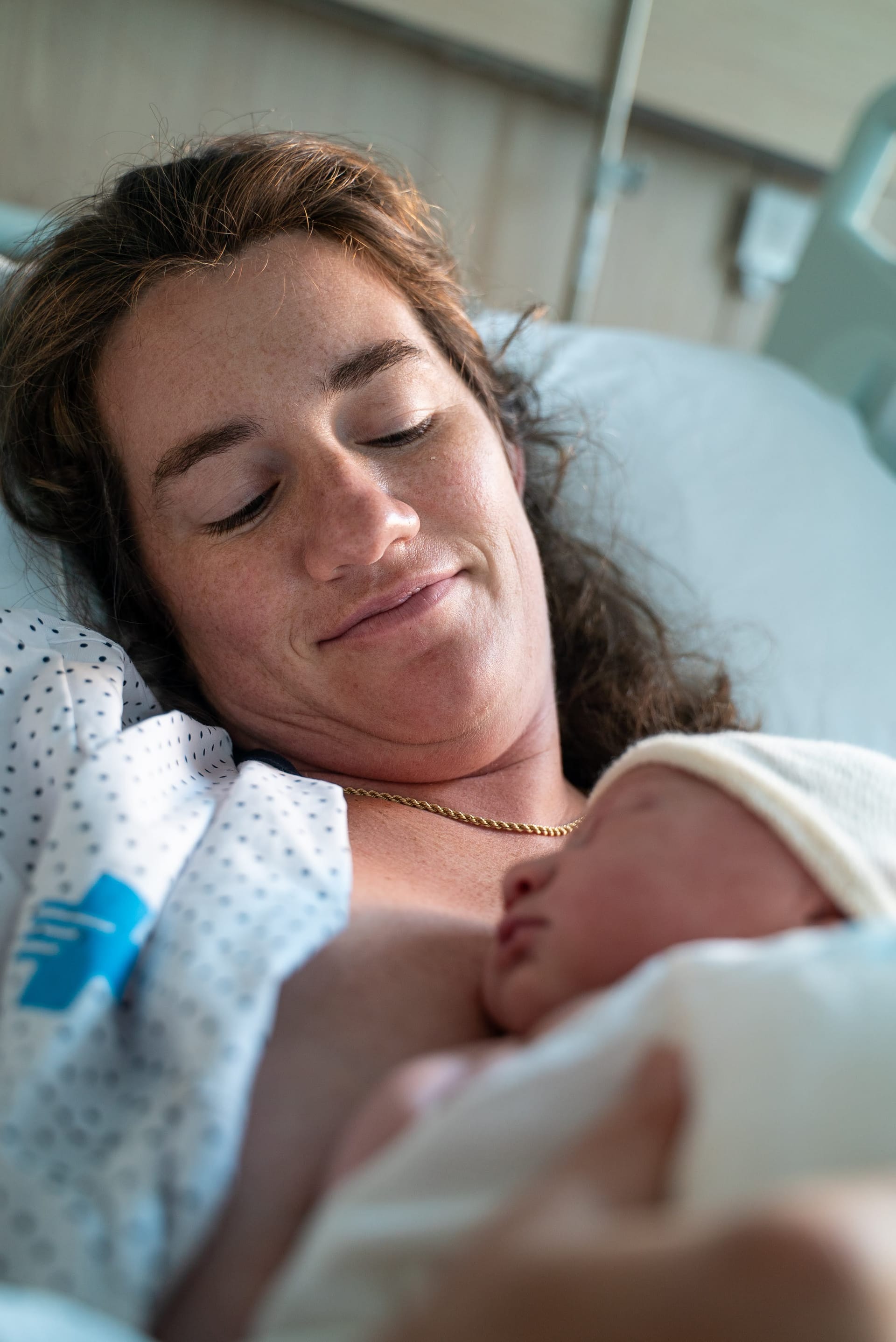
Birth is a wild process, and it’s difficult enough without any expectations put on top of it. My hope is that if you have a birth plan, you also plan to be surprised by birth, and open to its changes. In some ways I felt prepared by my athletic experience for birth, but, unlike so many of my sports’ experiences, race day felt nothing like practice. Not only the physical pain, but also the emotional roller coaster of meeting the life that had been growing literally inside of me (still so trippy). It’s an experience that is helped by preparation, but also goes beyond preparation.
This is also your permission slip to do whatever you need to do to not only have a healthy birth, but, if possible, to find some joy in the journey. Birth is hard. Parenting is also incredibly hard. There are an unlimited number of people out there with an unlimited amount of opinions about what you should and shouldn’t do during pregnancy, birth and when raising children. Furthermore, these people can make you feel that if you don’t do what they’re recommending, you’re a bad parent and person who doesn’t care about your baby or their future. I think, if you move towards joy and spaciousness, and away from punishing yourself, you’ll be on the right track.
This blog is part of An Athlete’s Pregnancy, a personal multi-part series chronicling one athlete’s experience navigating pregnancy after an elite sports career. Access part 5 here.
Partner with Parity to connect your brand with the power of women’s sports.

